

The Best Winter Activities Around Lake Mývatn
Many travellers planning Iceland winter activities head straight for the Golden Circle or Iceland's South Coast. While these regions are famous for waterfalls, glaciers, and ice caves, North Iceland offers a completely different winter experience.
Around Lake Mývatn, you can enjoy unique experiences that are difficult to find elsewhere in Iceland. Ride an Icelandic horse across a frozen lake, try ice fishing with locals, or watch the Northern Lights above pseudocraters.
If you're planning to visit Iceland in winter, Lake Mývatn is well worth adding to your itinerary. It offers a quieter and more adventurous way to experience the season.
Why Lake Mývatn Is One of Iceland's Best Winter Destinations
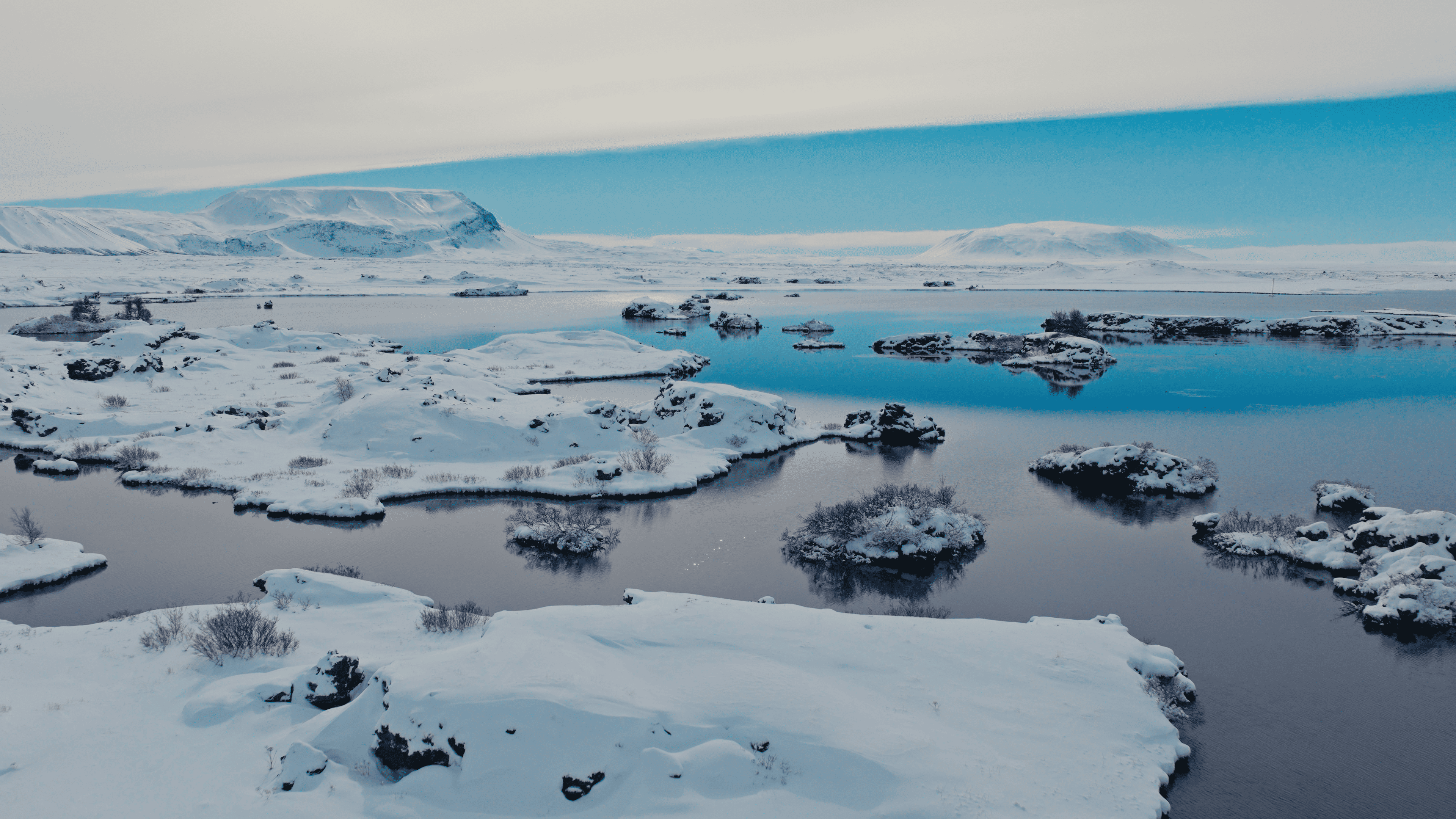
Lake Mývatn offers a different side of winter in Iceland. Volcanic craters, lava fields, active geothermal areas, and one of the country's largest natural lakes create dramatic scenery. Beneath a blanket of snow, these landscapes become even more striking.
Winter also brings fewer visitors than many of Iceland's best-known destinations. This gives you more space to explore at your own pace while enjoying excellent conditions for viewing the Northern Lights.
Beyond sightseeing, Lake Mývatn is one of the country's best places for winter adventures. You can go snowmobiling, try dog sledding, or experience cross-country skiing. During the Mývatn Winter Festival, you can also learn ice fishing and ride an Icelandic horse across a frozen lake.
With so many experiences close together, Lake Mývatn is easy to explore over several days. It also makes an excellent base for discovering more of North Iceland, including the Diamond Circle.
Best Winter Activities You Can Do Around Lake Mývatn
Whether you're looking for adventure, relaxation, or unforgettable scenery, Lake Mývatn delivers memorable experiences throughout the winter season. Here are some of the best Iceland winter activities in the region to add to your itinerary.
1. See the Northern Lights above diverse winter landscapes
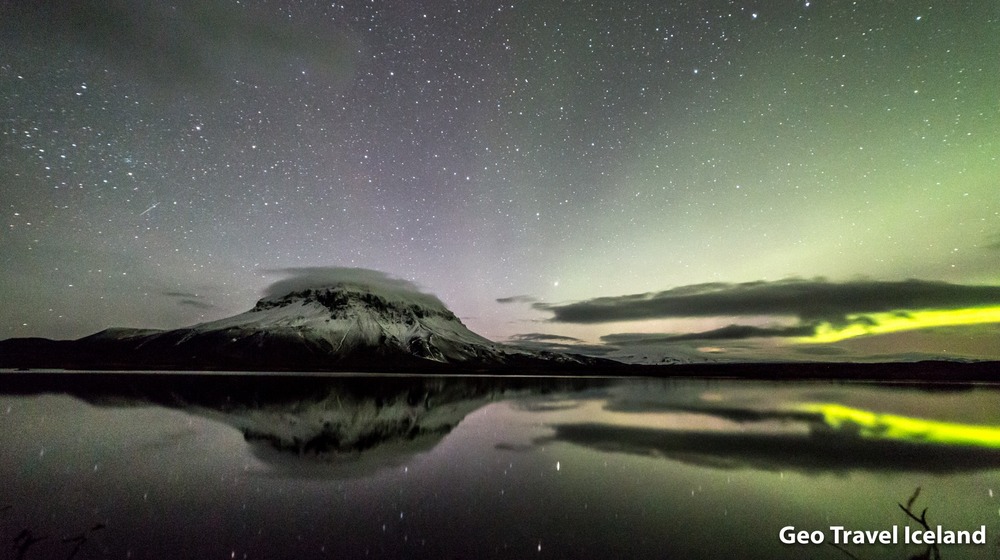
Lake Mývatn is one of the best places to see the Northern Lights in Iceland. Thanks to its dark skies and low light pollution, the region offers excellent viewing conditions between late August and mid-April.
What makes the experience unique is the variety of landscapes beneath the aurora. You can watch the lights dance above volcanic pseudocraters and snow-covered lava fields. Steaming geothermal areas, frozen lakes, and waterfalls also create equally memorable views. Each location offers a different backdrop, making every display feel unique.
You can search for the Northern Lights on your own. Alternatively, explore guided Northern Lights tours from local operators like Geo Travel.
For more travel ideas, check out our guide to the best places to see the Northern Lights around Lake Mývatn.
2. Soak in geothermal waters surrounded by snow
No winter trip to Lake Mývatn is complete without a visit to Earth Lagoon Mývatn. Surrounded by volcanic landscapes, this naturally heated geothermal pool offers a welcome escape from the winter cold.
Compared with some of Iceland's more famous geothermal lagoons, like the Blue Lagoon, it often feels quieter and more intimate. Without the crowds, it's easier to slow down, enjoy the warm mineral-rich water, and take in the scenery around you.
Visiting Lake Mývatn in December? You may even catch the mischievous Yule Lads as they take their annual bath in the pool.
3. Walk through active geothermal areas in winter
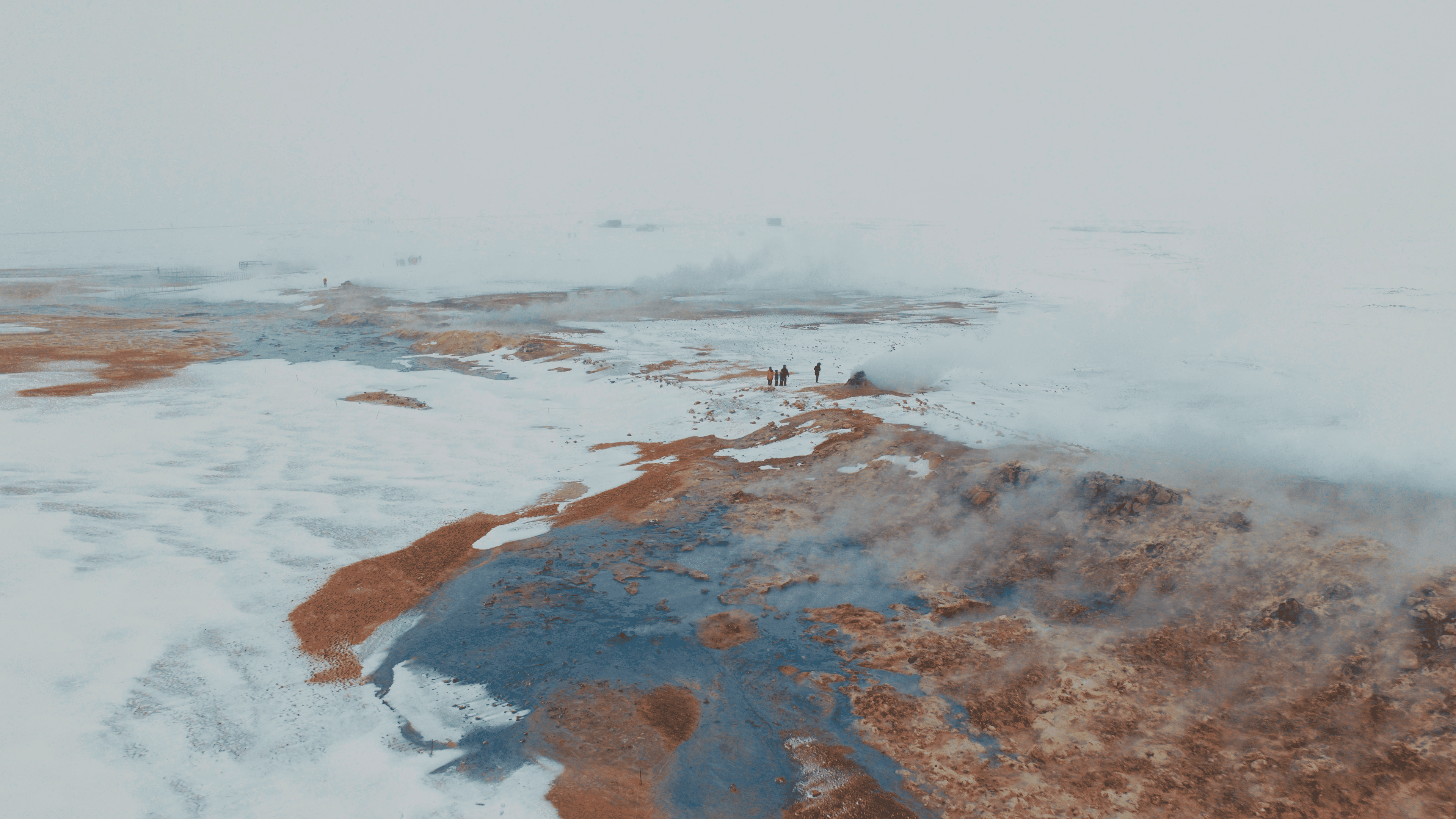
Winter transforms Hverir and Leirhnjúkur into some of Lake Mývatn's most striking landscapes. Thick steam rises into the cold air as snow surrounds bubbling mud pools, hot springs, steaming vents, and colourful mineral deposits. The contrast between the frozen landscape and the heat beneath your feet is unforgettable.
4. Explore snow-covered volcanic landscapes
At Dimmuborgir, snow settles on towering lava formations, making them feel even more mysterious. If you're visiting in December, you can also meet the Yule Lads here, who traditionally live among the lava formations.
Nearby, the Skútustaðagígar Pseudocraters take on an almost lunar appearance beneath the snow. Their rounded shapes stand out against the white landscape, creating one of the region's most distinctive winter views.
5. Ride an Icelandic horse across a frozen lake
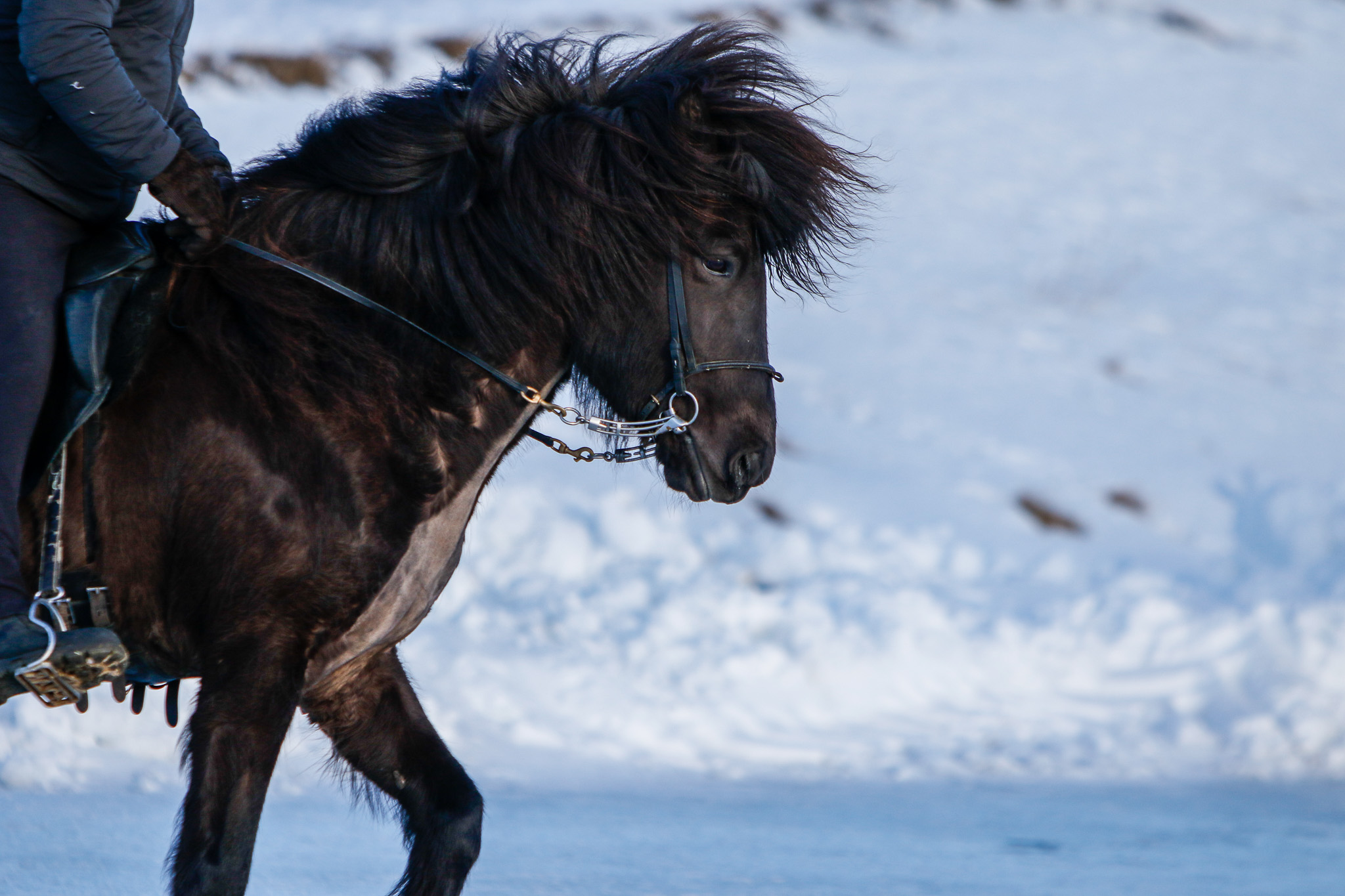
Horseback riding is a popular activity across Iceland, but Lake Mývatn offers a rare opportunity to ride across a frozen lake. From the ice, you'll enjoy panoramic views of the lake, surrounding mountains, and winter landscape. The sound of your horse's hooves breaking the winter silence is often the only thing you'll hear.
Icelandic horses are known for their calm temperament and distinctive tölt gait, making them suitable for both beginners and experienced riders.
If you'd like a similar winter experience, Eyjadalsá Horse Riding also offers guided river tours. The route follows the Skjálfandafljót River and crosses one of its branches.
Want to watch skilled riders compete? Visit during the Mývatn Winter Festival to watch the annual Horses on Ice competition on the frozen surface of Lake Mývatn.
6. Ride a Snowmobile or Go Dog Sledding
Snowmobiling and dog sledding offer two very different ways to experience Lake Mývatn in winter. Snowmobiles let you cover more ground and explore the region's wide-open volcanic landscapes. Meanwhile, dog sledding offers a quieter pace and a closer connection with nature.
For a guided snowmobile adventure, Mývatn Snowmobile offers tours across the winter landscape. If you'd rather travel behind a team of eager huskies, Snow Dogs provides guided dog sledding experiences for everyone.
Good to know: The Mývatn Winter Festival also features an annual Dog Sledding competition on frozen Lake Mývatn.
7. Try ice fishing with the locals
Ice fishing is a long-standing winter tradition in the Lake Mývatn region. During the Mývatn Winter Festival, visitors can join local anglers on the frozen lake and learn passed-down traditional techniques.
Depending on the conditions, you may catch Arctic char or brown trout, two of Lake Mývatn's best-known freshwater fish. Whether or not you catch a fish, the experience offers a memorable glimpse into local life beyond Mývatn’s top spots.
8. Experience cross-country skiing
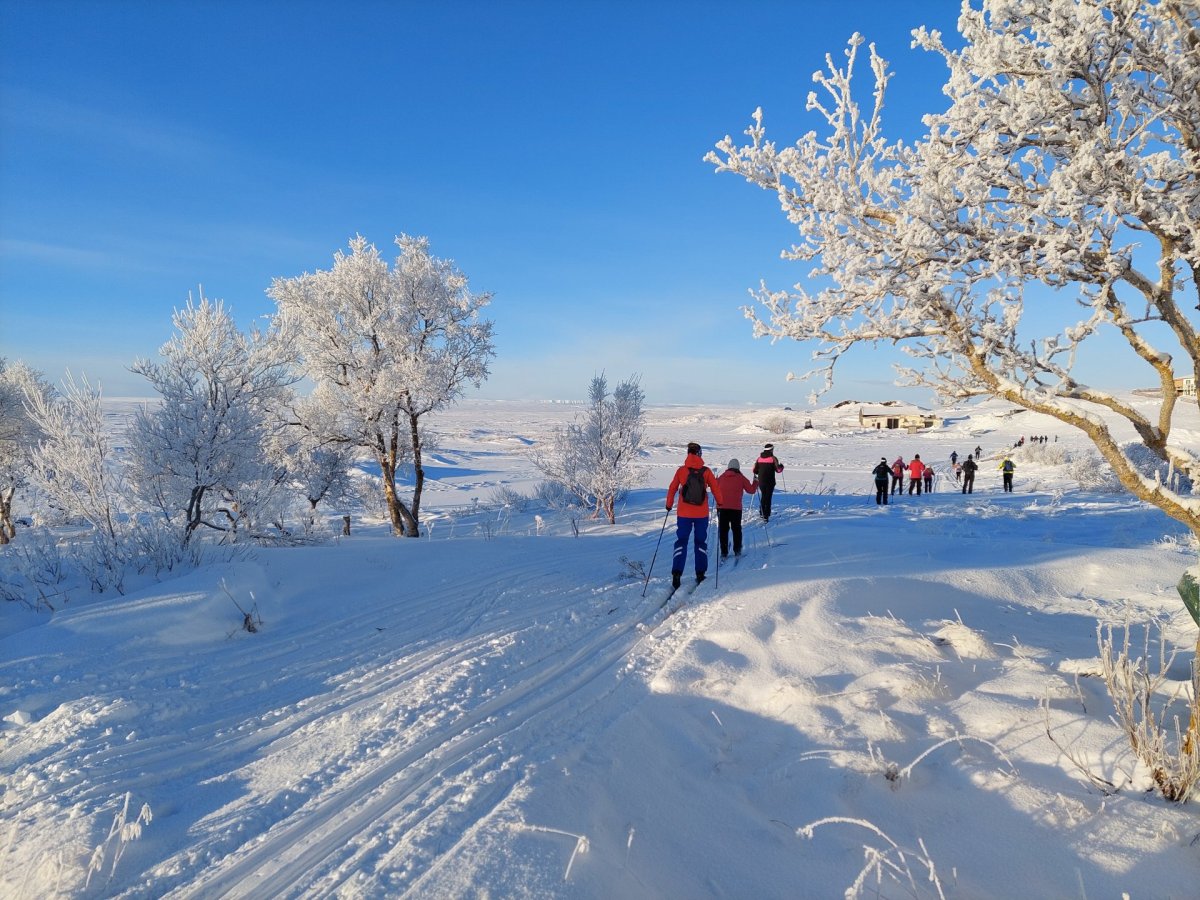
Cross-country skiing is a popular winter activity around Lake Mývatn. The region has around 10 kilometres of groomed trails suitable for skiers of all levels. The routes cross frozen ground, wind through woodlands, and pass lava fields, offering a scenic way to explore the winter landscape.
If you prefer downhill skiing, the nearby Krafla Caldera region features ski lifts and steeper slopes for skiers and snowboarders. It's a great option for adding another outdoor adventure to your Lake Mývatn winter itinerary.
9. Visit frozen waterfalls around Lake Mývatn
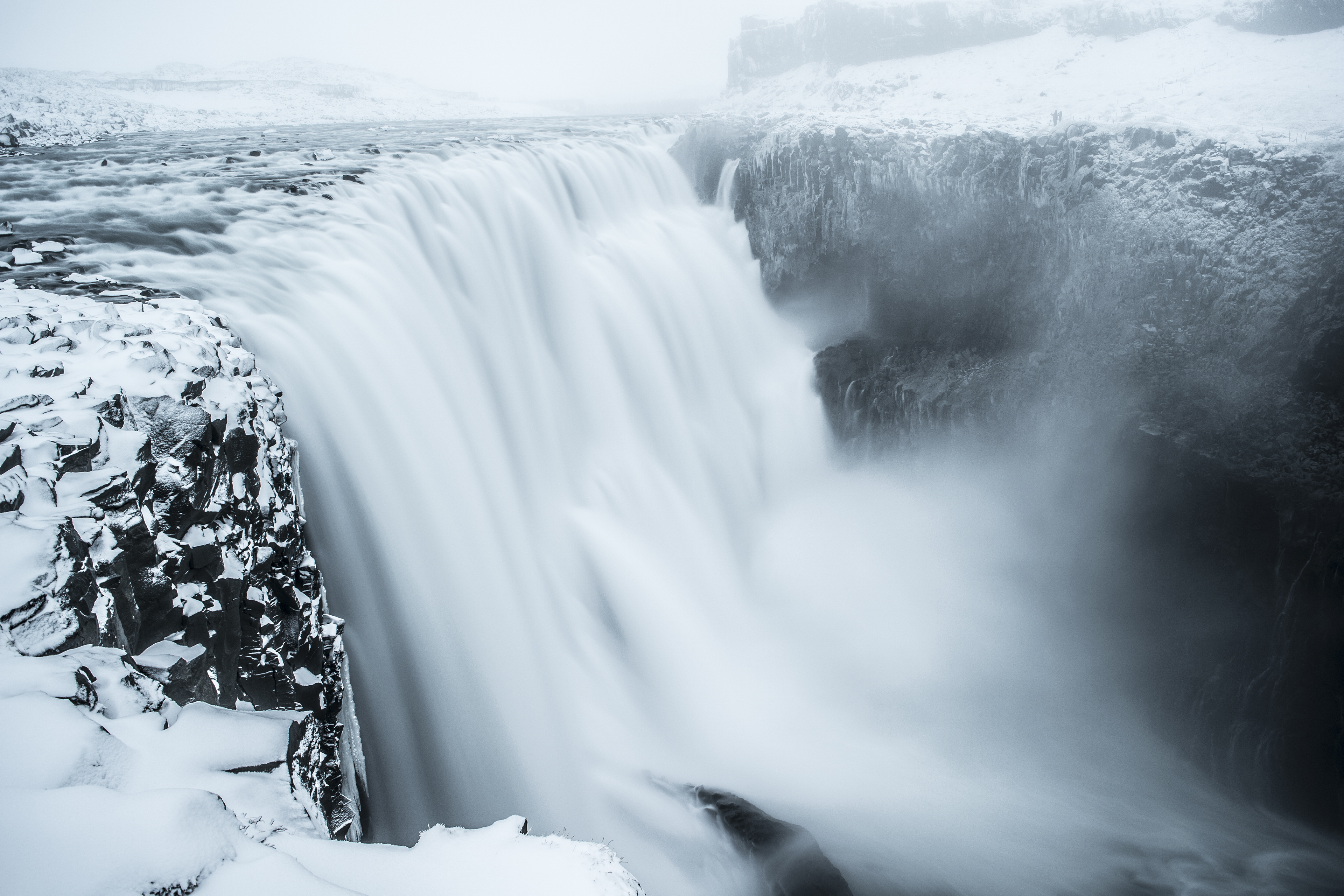
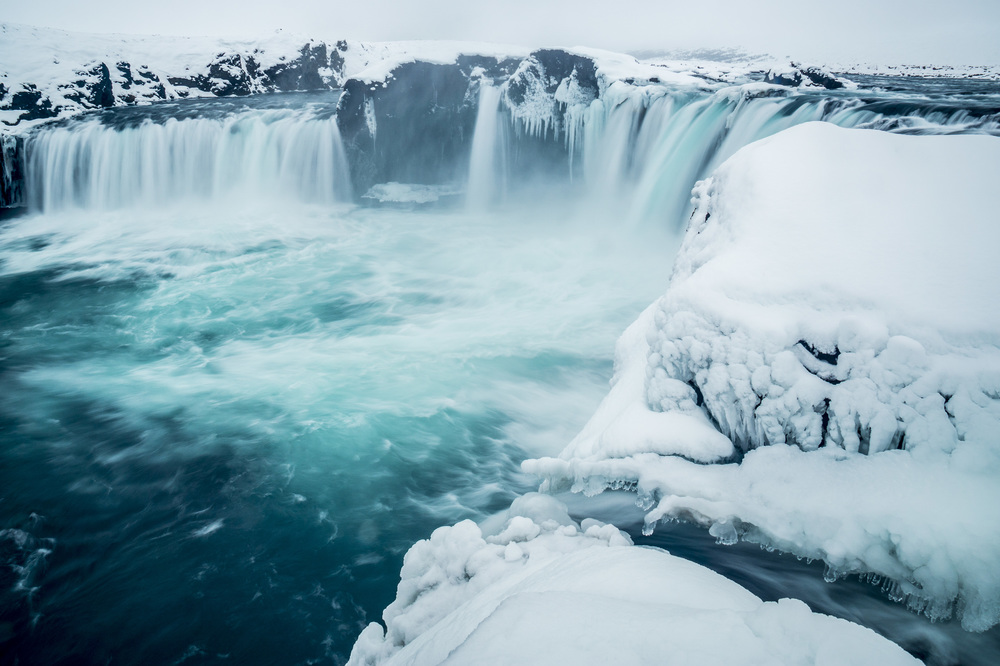
Several of the must-see waterfalls around Lake Mývatn become even more spectacular in winter. Ice formations, snow, and freezing spray transform these powerful cascades into dramatic frozen landscapes.
Goðafoss is one of the region's most accessible waterfalls and remains impressive throughout winter. If road conditions allow, you can also visit Dettifoss, Selfoss, and the striking basalt-framed Aldeyjarfoss.
10. Photograph Lake Mývatn's winter landscapes
Winter transforms Lake Mývatn into one of Iceland's most photogenic regions. Snow-covered pseudocraters, frozen lakes, lava fields, and steaming geothermal areas create dramatic contrasts that are difficult to find elsewhere.
The best time to photograph Lake Mývatn is around sunrise, sunset, or the blue hour. These times bring out the textures and colours of the region's volcanic landscapes while creating softer light across the snow.
A wide-angle lens is ideal for sweeping views. But a telephoto lens can help you capture geothermal steam, wildlife, and distant snow-covered mountain peaks in greater detail.
Pro tip: Keep spare batteries warm; cold weather can quickly drain them.
11. Discover Mývatn's birdlife in winter
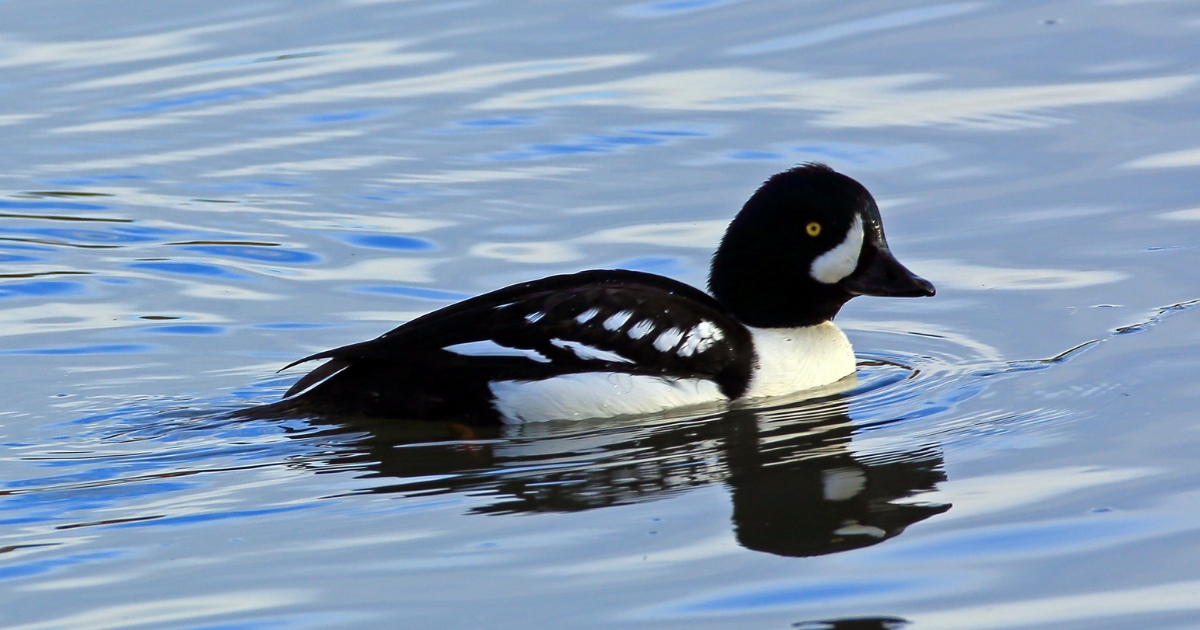
Although Lake Mývatn is best known for its birdlife in summer, winter still offers rewarding wildlife encounters. You may spot whooper swans, common ravens, rock ptarmigans, and even the occasional gyrfalcon hunting around the lake. Most of the many breeds of ducks who nest around the lake in spring time are gone to warmer shores, but the Barrow's Goldeneye stays for winter, earning the name 'Húsönd' or Home Duck from the locals.
Bring a pair of binoculars and take your time exploring the shoreline and surrounding lava fields. Winter offers a quieter birdwatching experience, with fewer visitors and a greater chance to appreciate Mývatn's birdlife at your own pace.
Bonus: Drive the Diamond Circle in winter
If you have extra time, extend your trip by exploring the Diamond Circle. This route links Lake Mývatn with Goðafoss, Húsavík, Ásbyrgi Canyon, and Dettifoss, showcasing some of North Iceland's most spectacular landscapes.
Many of the route's highlights remain accessible throughout the season. Goðafoss and Húsavík can be reached via the main roads, making them easy additions to a winter itinerary. Ásbyrgi Canyon is generally open year-round, though access depends on weather and road conditions. If road conditions allow, continue to Dettifoss via the west-side Route 862. The east-side Route 864 is closed during winter.
Unlike busier routes such as the Golden Circle, the Diamond Circle is generally quieter throughout the year. In winter, visitor numbers drop even further. This allows you to experience frozen waterfalls, volcanic landscapes, and dramatic coastal scenery in a more peaceful setting.
To help plan your trip, check out our complete guide to the Diamond Circle.
When to Visit Lake Mývatn for Winter Activities
Winter around Lake Mývatn typically lasts from November to March, although conditions vary each year. Each part of the season offers a slightly different experience, depending on the activities you're hoping to enjoy.
-
November: Early snowfall, fewer visitors, and the return of the Northern Lights.
-
December: Festive atmosphere, the Yule Lads, and long nights for aurora viewing.
-
January to March: The best time for snow-based activities such as snowmobiling, dog sledding, cross-country skiing, and horseback riding in snowy landscapes. This is also when the Mývatn Winter Festival takes place (particularly between late February and early March).
How Many Days Should You Spend Around Lake Mývatn in Winter?
Plan to spend at least 2–3 days around Lake Mývatn in winter. This gives you enough time to explore the region's volcanic landscapes, soak in geothermal waters, and enjoy outdoor activities.
If you're hoping to see the Northern Lights, consider staying three nights or longer. Multiple nights increase your chances of clear skies and give you more flexibility if weather conditions change.
Travellers planning to explore the Diamond Circle should allow at least one additional day. This provides enough time to visit attractions such as Goðafoss, Húsavík, Ásbyrgi Canyon, and, if conditions allow, Dettifoss without rushing.
Need more help planning your winter trip to Iceland? Explore our Lake Mývatn itinerary ideas for suggested routes and day-by-day inspiration.
Winter Driving Conditions Around Lake Mývatn
Driving around Mývatn in winter is generally straightforward, but conditions can change quickly because of snow, ice, and strong winds. Main roads are regularly maintained, while smaller roads and mountain routes may close temporarily during severe weather.
All rental cars in Iceland are equipped with winter tyres during the winter season. A 4×4 vehicle is recommended if you plan to explore beyond the main roads or expect challenging weather conditions.
If you're looking for a vehicle, Mývatn Car Rental offers a range of cars suitable for winter travel in the region.
Before setting out each day, check the road conditions on road.is and weather forecasts on vedur.is. Allow extra travel time, keep your fuel tank topped up, and never drive if weather warnings advise against travelling.
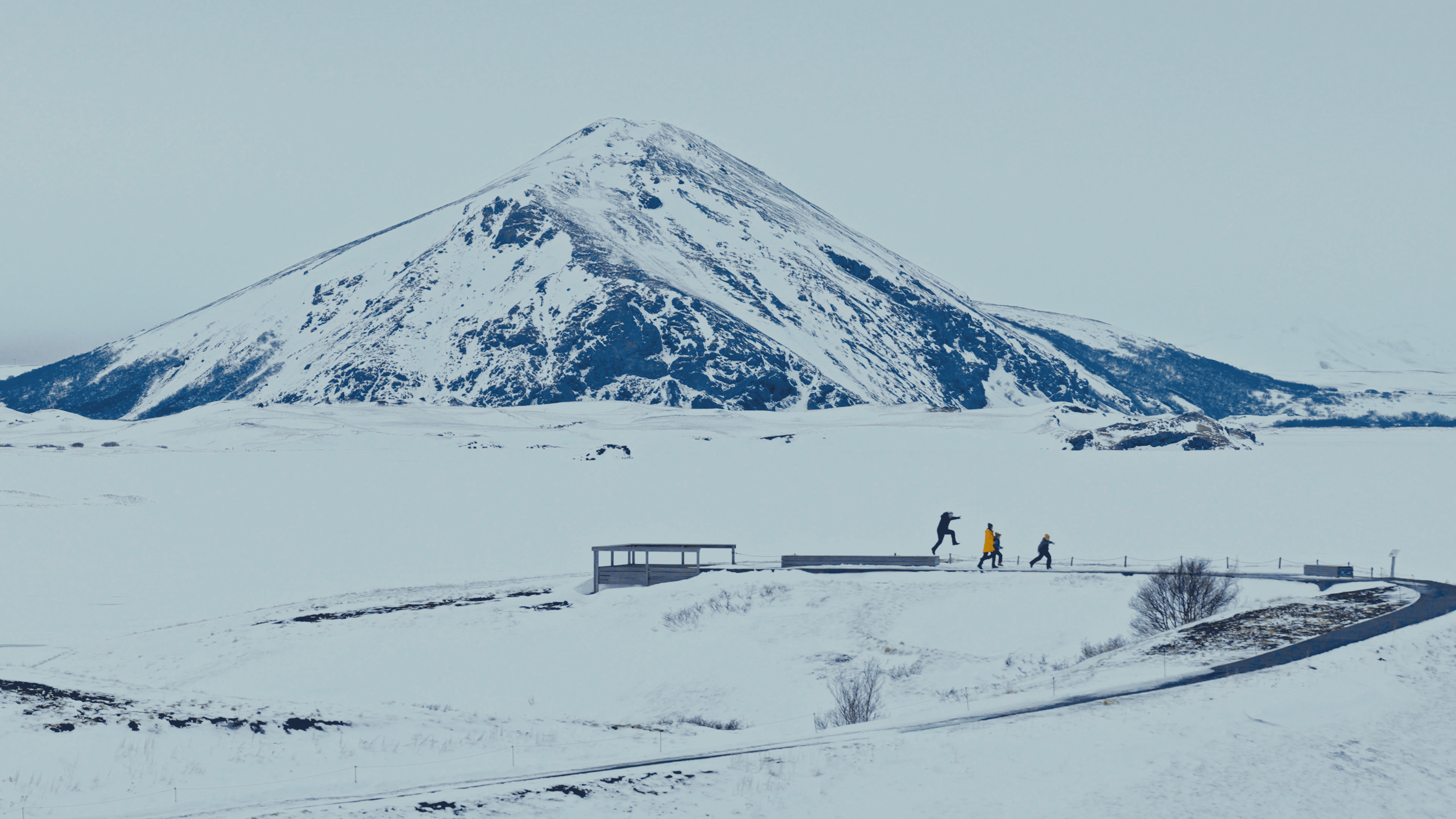
What to Pack for an Icelandic Winter Trip Around Lake Mývatn
Winter weather around Lake Mývatn can change quickly, so dressing in layers is the best way to stay comfortable.
Bring the following essentials:
-
Thermal base layers, an insulated mid-layer, and a waterproof outer layer.
-
Waterproof hiking boots with good grip for snow and icy paths.
-
A warm hat, insulated gloves, a scarf, and wool socks.
-
A swimsuit and towel for soaking in geothermal lagoons.
-
Sunglasses and sunscreen to protect against reflected snow glare.
-
A red light head torch for exploring or photographing after dark.
-
A camera, a tripod, and spare batteries for winter photography
Even if the forecast looks calm, pack for changing conditions. Temperatures, wind, and visibility can all change throughout the day.
Where to Stay Around Lake Mývatn During Winter
Choosing the right accommodation around Lake Mývatn can make your winter trip even more enjoyable. Here are a few recommendations based on different travel styles.
Best for Northern Lights viewing
Stay somewhere that lets you maximise your chances of seeing the aurora. These hotels offer Northern Lights wake-up calls, so you won't miss a display while you sleep.
Best for easy access to winter attractions
These properties are well placed for exploring geothermal areas, lava fields, waterfalls, and other winter activities around Lake Mývatn.
Best for a peaceful winter escape
Choose one of these countryside stays if you're looking for a slower pace, quiet surroundings, and beautiful winter scenery.
Experience the Magic of Winter Around Lake Mývatn
Lake Mývatn offers some of the most memorable Iceland winter activities. From watching the Northern Lights above pseudocraters to horseback riding on a frozen lake, every day brings a different winter experience. Combined with fewer crowds and easy access to the Diamond Circle, Lake Mývatn makes for an unforgettable winter escape.
Whether you're seeking an adventurous or relaxed winter travel, Lake Mývatn is a destination worth exploring. Start planning your trip and discover why North Iceland is one of the country's most rewarding winter destinations.
Need more help planning your trip? Read our ultimate travel guide to Lake Mývatn.
FAQs
Is Lake Mývatn worth visiting in winter?
Yes, Lake Mývatn is one of the best places to enjoy Iceland winter activities. You can try unique experiences like ice fishing or riding an Icelandic horse across a frozen lake. It also offers fewer crowds than many of Iceland's more popular destinations.
Can you see the Northern Lights around Lake Mývatn?
Yes. Lake Mývatn's dark skies and low light pollution make it one of Iceland's best places to see the Northern Lights. The best viewing conditions are on clear nights between September and April.
Is the Diamond Circle open in winter?
Yes, much of the Diamond Circle remains accessible during winter, weather permitting. Goðafoss, Húsavík, and Ásbyrgi are generally accessible via the main roads, while access to Dettifoss depends on road conditions.
Do I need a 4×4 to drive around Lake Mývatn in winter?
A 4×4 is recommended around Lake Mývatn if you plan to explore beyond the main roads or expect snowy conditions. However, it isn't always necessary for driving the Ring Road when road conditions are good.
Can you visit Lake Mývatn in winter without joining a tour?
Yes. Many of the region's top attractions are accessible by car during winter, weather permitting. Guided tours are a good alternative if you prefer not to drive in snowy or icy conditions.