

What To Pack for Winter in Iceland
Winter Conditions in North Iceland
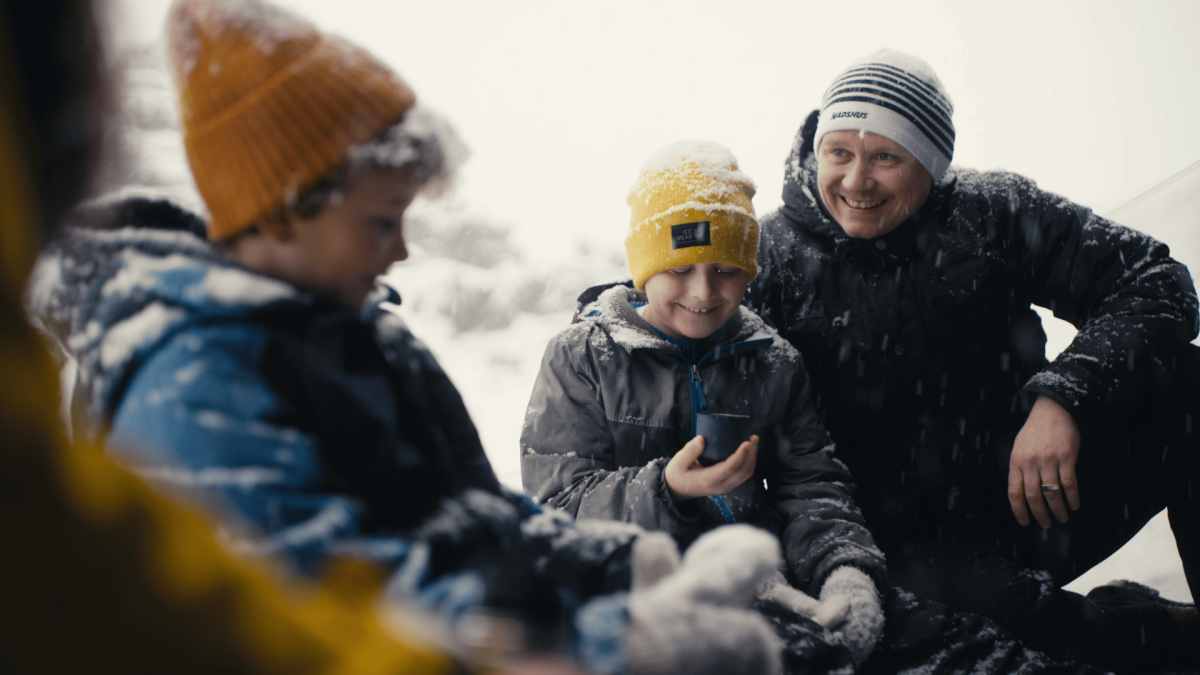
Winter in North Iceland generally runs from November to March, with colder, snowier conditions than in Reykjavík and South Iceland. Average temperatures hover around -2°C (28°F) during the coldest months, although colder spells can bring temperatures below -10°C (14°F).
Snow is common, particularly inland, while coastal areas can also experience rain, sleet, and strong winds. Roads and walking paths may be icy, and wind chill can make temperatures feel much colder.
Winter daylight in North Iceland is limited, especially in late December, when the sun is up for only around 3–4 hours. Some outdoor activities may therefore take place in low light or darkness.
How to Layer Your Clothes for Icelandic Winter
When dressing for winter in Iceland, layering is more practical than wearing one heavy coat. The idea is simple: wear three layers that keep you dry, retain body heat, and protect you from the weather. You can then add or remove pieces of clothing as conditions change.
Base layer: Keep moisture away
A base layer sits directly against your skin, helping you stay warm and dry by drawing sweat away from your body. Start with thermal tops and leggings (föðurland in Icelandic) that fit comfortably. Long-sleeved tops with a high neck can provide extra coverage and warmth, especially in windy conditions.
When choosing your thermals, look for merino wool or synthetic fabrics. Merino wool is warm, breathable, and naturally odour-resistant, while synthetics are lightweight and quick-drying. Avoid cotton, as it absorbs moisture and dries slowly, which can leave you feeling cold.
Middle layer: Trap warmth
Your middle layer should help retain body heat while allowing moisture to escape. Choose breathable, insulating clothing that fits comfortably beneath your outer jacket without feeling too bulky.
Good options for your middle layer include:
- Fleece jackets or jumpers: Lightweight, breathable, and quick-drying. Thinner fleece works well for active walks, while thicker fleece provides more warmth in colder weather.
- Wool jumpers: Naturally insulating and breathable, helping you stay warm without trapping too much moisture.
- Down or synthetic insulated jackets: Provide extra warmth for freezing temperatures or activities involving long periods of standing still.
- Fleece-lined or insulated trousers: Useful for keeping your legs warm, particularly during less active outdoor activities.
In Iceland, you'll often see locals wearing a traditional wool jumper called a lopapeysa, with its circular patterned yoke around the shoulders. Icelandic wool combines coarse outer fibres (tog) that provide some natural water resistance with a fine, soft undercoat (þel) that traps warmth. Worn over a thermal base layer, a lopapeysa provides insulation and can even serve as an outer layer in calm, dry weather. However, you'll still need a windproof, waterproof jacket in wet or windy conditions.
Avoid wearing more insulation than you need, especially when walking or hiking. Sweating can leave your clothes damp, making you feel colder when you stop moving. Adjust your layers according to your activity and the weather.
Outer layer: Protect against the weather
Your outer layer shields you from North Iceland's strong winds, rain, and snow. Choose waterproof, windproof clothing that allows moisture to escape and fits comfortably over your insulating layers.
For your outer layer, consider:
- Waterproof, windproof shell jacket: Ideal for active outings and changing weather in Iceland. It provides little insulation, so wear it over warm layers. Look for a breathable jacket with an adjustable hood and cuffs.
- Insulated winter jacket or parka: Combines warmth and weather protection, provided it has a waterproof, windproof exterior. A good option for colder days and less active outings.
- Waterproof trousers or shell overtrousers: Keep your legs dry in snow and rain. Choose breathable options with sealed seams that fit over your thermal or insulating trousers.
You can pair a lightweight fleece with an insulated winter jacket or wear thicker insulation beneath an unlined waterproof shell. Adjust your layers according to the weather and how active you'll be.
Essential Winter Footwear and Accessories
Proper footwear is essential when exploring North Iceland in winter. Snow, ice, and wet ground can make walking slippery, so choose boots that provide warmth, waterproof protection, and good traction.
Look for waterproof leather or synthetic boots, ideally with a breathable membrane such as GORE-TEX, and sturdy, slip-resistant soles. Ankle-high or mid-cut boots are suitable for most sightseeing, while taller boots offer extra protection in deeper snow.
Insulated or fleece-lined winter boots provide extra warmth, especially when standing outdoors for long periods. However, waterproof hiking boots may be more versatile if you want footwear you can also use in other seasons. Pair them with merino wool socks, and pack extra pairs in case they get wet.
Note: Make sure your boots fit comfortably with your winter socks. Boots that are too tight can restrict circulation and leave your feet feeling colder.
Other useful winter accessories to add to your Iceland packing list:
- Waterproof gloves or mittens: Choose insulated options, preferably touchscreen-compatible for easy phone use.
- Warm hat or beanie: Choose one that covers your ears and fits comfortably beneath your jacket's hood.
- Neck warmer or scarf: Wool or fleece options provide warmth and insulation, even in damp conditions. A neck warmer is particularly practical for protecting your face from cold winds.
- Ice grips: Removable traction devices can provide additional grip on suitable icy paths and pavements.
- Hand and foot warmers: Useful for extra warmth during long periods outdoors, particularly when watching the Northern Lights.
What to Wear for Winter Activities Around Mývatn
Your clothing needs will vary depending on how active you'll be and how long you'll spend outdoors. Here's what to pack for winter in Iceland based on your planned activities around Lake Mývatn.
Sightseeing, winter walks & road trips
Planning to visit Dimmuborgir, Hverir, Daladýrð Petting Zoo, or waterfalls along the Diamond Circle? Dress for frequent stops outdoors and time spent in a warm vehicle.
For short stops, wear a merino wool base layer, a fleece or lopapeysa jumper, and a waterproof, windproof jacket. Pair thermal leggings with insulated trousers or waterproof overtrousers, depending on the conditions.
Waterproof mid-cut boots provide protection on snowy or wet paths. Bring removable ice grips for suitable icy surfaces, particularly around waterfalls.
For longer walks, choose a lightweight fleece instead of heavier insulation to avoid overheating. Keep a down or synthetic insulated jacket handy for breaks, and loosen your outer layers when returning to your heated vehicle.
Snow sports & guided adventures
Different winter activities around Mývatn require different clothing combinations:
- Snowmobiling and dog sledding: Wear merino wool thermals, a thick fleece, insulated boots, and waterproof mittens. Operators may provide insulated overalls, helmets, and other protective equipment.
- Horseback riding: Choose thermal leggings beneath flexible, wind-resistant trousers, plus a fleece and warm jacket. Wear suitable riding boots or footwear approved by the operator.
- Ice fishing: Wear insulated trousers, a thick wool jumper or fleece, and a weatherproof parka. Insulated boots and mittens are particularly useful when sitting or standing still.
- Cross-country skiing: Choose moisture-wicking synthetic thermals, a lightweight fleece, and a breathable, wind-resistant outer layer. Avoid heavy parkas, which can cause overheating.
- Downhill skiing and snowboarding: Wear thermal base layers, a fleece or lightweight insulated jacket, and waterproof ski trousers and a ski jacket.
Check with your tour operator about specialist equipment, suitable footwear, and clothing requirements before booking. Only venture onto frozen lakes with appropriate local guidance and verified ice conditions.
Northern Lights watching & winter photography
Standing outside after dark requires more insulation than walking during the day.
Wear merino wool thermals, a thick fleece or wool jumper, and an insulated, weatherproof parka when Northern Lights hunting around Mývatn. Add thermal leggings beneath insulated trousers, along with warm wool socks and insulated winter boots.
For photography, gloves with touchscreen fingertips let you operate camera controls without leaving your hands exposed for long. Hand and foot warmers can also help during extended waits.
Geothermal bathing
For a visit to Earth Lagoon Mývatn, pack swimwear, a towel, and a waterproof bag for wet belongings. Swimsuits and towels are also available to rent if you prefer to travel light.
Bring dry wool socks and warm clothes to change into after your soak. If you’re visiting an outdoor geothermal pool in cold weather, a wool hat can help keep your head warm while you’re in the water.
Christmas activities and festive outings
Many of the places to visit during Christmas around Mývatn involve spending time outdoors, so warm layers and waterproof clothing are essential.
For outdoor events, wear merino wool thermals, a warm fleece or wool jumper, and an insulated winter jacket. Children meeting and playing with the Yule Lads at Dimmuborgir should also wear waterproof trousers, insulated boots, and mittens.
Pack spare mittens and wool socks for children in case they get wet while playing in the snow. A neck warmer is also practical, as it stays in place more easily than a scarf.
For indoor Christmas buffets, wear comfortable, removable layers. You can take off your winter jacket and jumper once inside a heated restaurant.
Other Essentials to Pack for Winter in Iceland
Beyond warm clothing, these few small items can make your trip to Iceland’s northern region more comfortable:
- Lip balm and moisturiser for dry skin (especially after hot springs or lagoons)
- Sunglasses to protect against snow glare
- Reusable water bottle to refill with Iceland’s tap water
- Daypack for extra layers, snacks, water, and other essentials
- Portable power bank and spare camera batteries, as batteries drain faster in cold weather
For family winter road trips, keep spare warm clothing, water, snacks, and an emergency kit in your vehicle. Check road conditions at road.is before setting off.
Get Ready for Winter in North Iceland
Once you know what to pack for winter in Iceland, preparing for your trip becomes much easier. Focus on warm thermal layers, weatherproof clothing, and sturdy footwear. Adjust your outfit to suit the day's activities and forecast. With the right winter essentials, you'll be ready to explore Mývatn's snow-covered landscapes and enjoy outdoor adventures.
Our 7-day winter itinerary around Lake Mývatn can help you plan your stops and decide what to pack for each day.
FAQs
How cold is it in North Iceland during the winter?
Temperatures around North Iceland average around −2°C (28°F) during the coldest months, with colder spells dropping below −10°C (14°F). Strong winds can make it feel much colder.
What should I wear in Iceland during the winter?
Wear moisture-wicking thermal base layers, an insulating wool or fleece middle layer, and a waterproof, windproof outer layer. Add warm accessories and insulated footwear.
Can I wear jeans in Iceland?
Yes, jeans are fine for indoor activities and casual outings in Iceland. However, they're unsuitable for prolonged outdoor activities because they absorb moisture and dry slowly.
What are the best shoes to wear in Iceland during winter?
Waterproof winter boots with sturdy, slip-resistant soles are ideal. Choose insulated boots for extra warmth or waterproof hiking boots for versatility, and pair them with wool socks.
Do I need ice grips for walking in North Iceland during winter?
Ice grips are useful on slippery paths and pavements, especially around Lake Mývatn. Remove them indoors and check whether your chosen activity requires specialist traction equipment.