

Autumn in Iceland
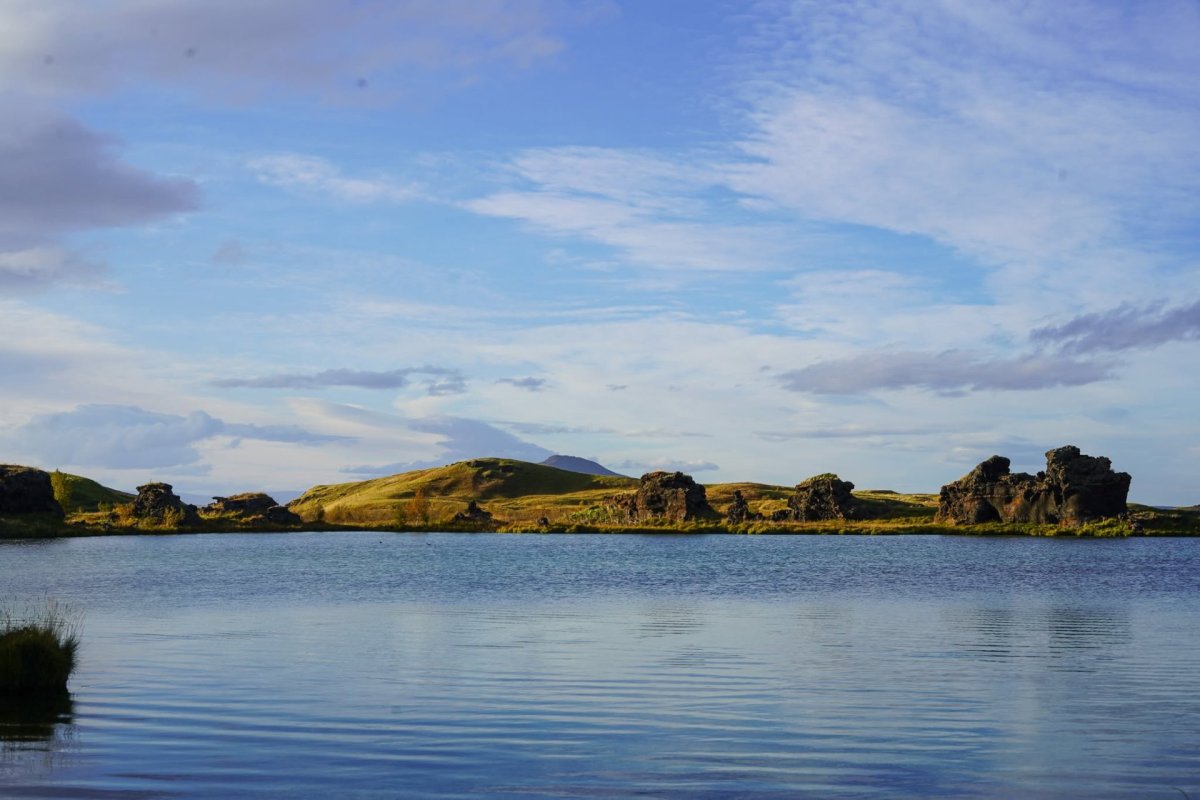
Autumn in Iceland is quieter and less busy than summer. The roads carry less traffic, the crowds thin out, and the pace of travel slows to something more manageable. For anyone deciding on the best time to visit Iceland, September and October are worth serious consideration.
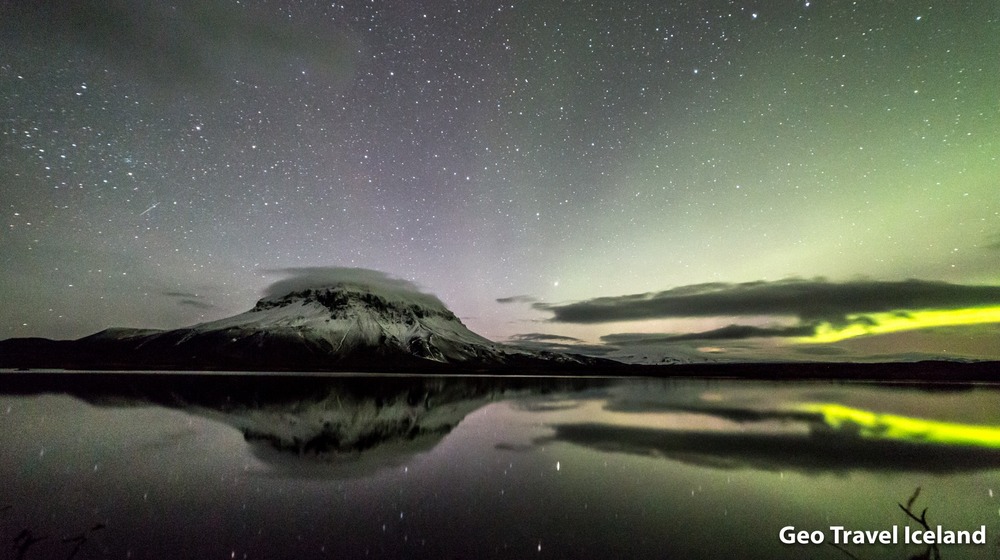
Around Lake Mývatn in North Iceland, the season brings its own rewards. As the nights grow longer, the sky above the region, known as the Northern Lights Capital of Iceland, begins to show the first aurora displays of the year.
What Autumn in Iceland Actually Looks Like
The season runs from early September through late October, and the autumn colours change quickly. Birch trees along roadsides turn yellow and orange, while heather and crowberry go deep purple and red across the lava fields.
Around Mývatn, warm yellow and orange colours sit against dark volcanic rock. The contrast looks especially sharp at Dimmuborgir and Höfði, where flat lava fields stretch around the lake.
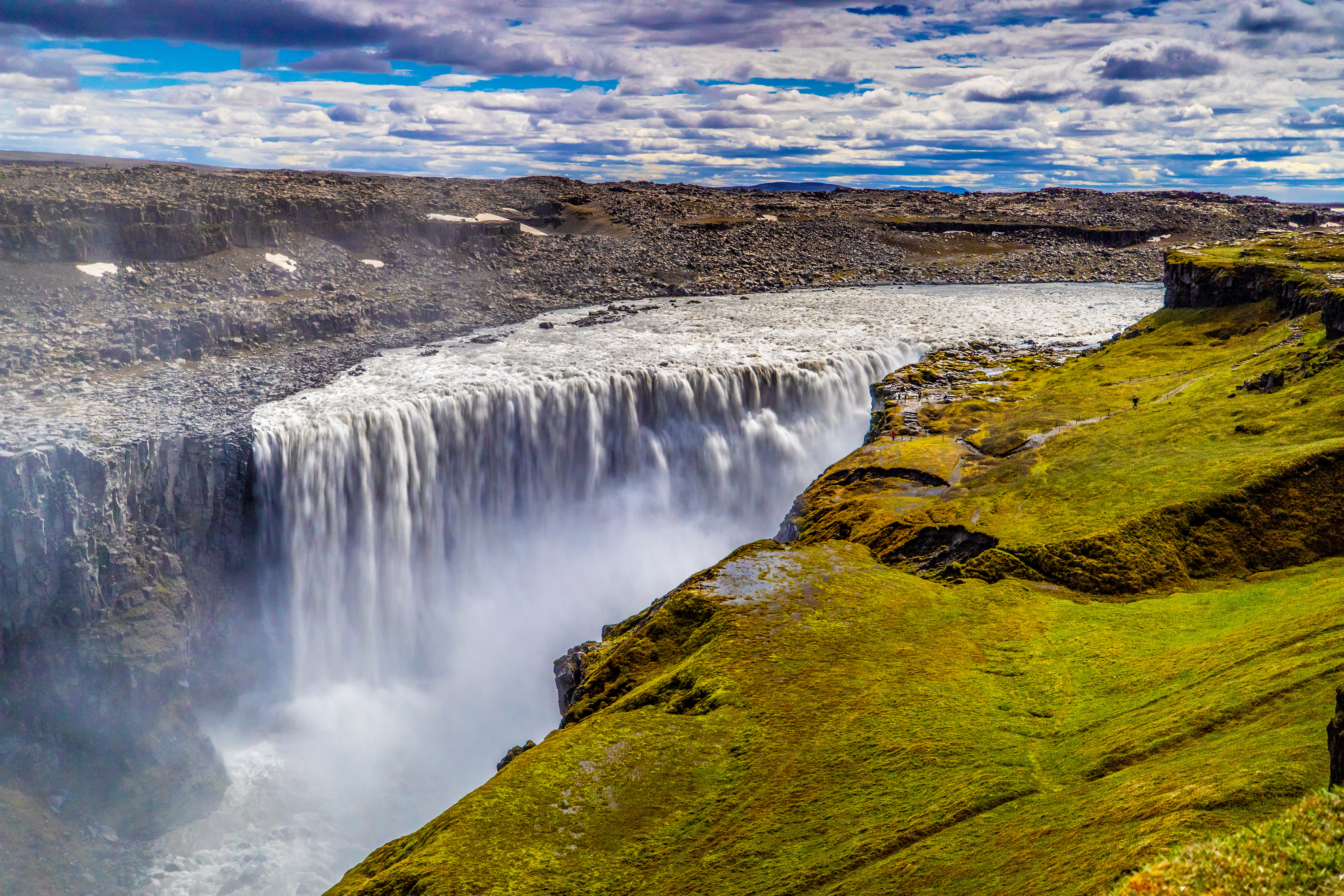
Autumn is also when the crowds leave and things quiet down. The sheep round-up, called Réttir, brings flocks down from the highlands to lowland farms each October, and locals welcome visitors to watch. Hotels are easier to book, prices drop from summer levels, and busy spots like Dettifoss and the Diamond Circle feel much more relaxed.
Weather Conditions from September to October
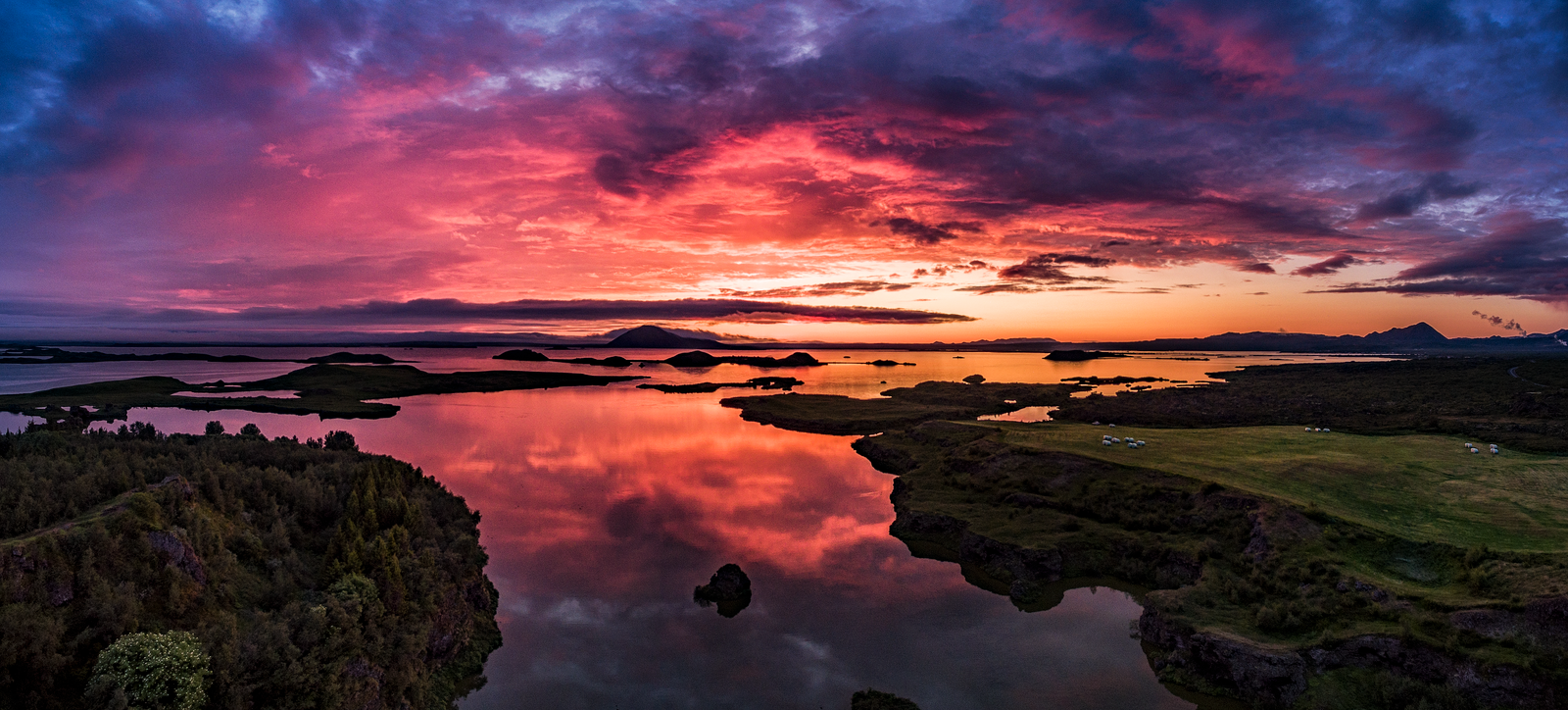
Weather conditions from September to October can change a lot, even within a single day. Understanding the weather in Iceland during autumn means being ready.
September Weather
September brings the most settled weather in Iceland during the autumn months. Temperatures sit between 41°F and 50°F (5°C and 10°C) across the country, though North Iceland can run a degree or two cooler than Reykjavík. Daylight hours start the month at around 13 and drop to roughly 11.5 by the equinox on 22 September.
Rain begins to increase in September, with an average of around 12 rainy days per month. Wind speeds average around 17 km/h (10.5 mph), though stronger gusts are possible. Roads across the region remain fully accessible, including the Ring Road and routes to sites around Mývatn.
October Weather
October is cooler and more unpredictable. Average temperatures in northern areas range from 35.6°F to 42.8°F (2°C to 6°C). Rain is heavier in the south, while the north typically sees drier conditions but a greater chance of early snow at higher elevations. In October 2025, Akureyri, just 45 km from Mývatn, averaged 38.1°F (3.4°C).
Daylight shortens noticeably in October. By the end of the month, you have around eight to nine hours of usable daylight, which is still enough for a full day of sightseeing. The longer nights create better conditions for seeing the aurora, which becomes one of the main reasons travellers make the journey north in October.
Shorter Days and Longer Northern Lights Windows in Autumn
Dark nights return from early September, marking the start of the Northern Lights season after the long summer days make sightings impossible. Mývatn sits away from major urban light pollution, with wide open sightlines and geothermal features like Hverir and Leirhnjúkur offering dramatic foregrounds on active nights.
The solar cycle also remains at an elevated level following the 2024–2025 solar maximum, which raises the chances of stronger displays. Clear nights at Mývatn give you a solid chance of seeing the aurora, though no forecast is ever guaranteed.
Autumn Around Mývatn: What to See and Do
If you are looking for the best things to do in Mývatn, autumn is a great time to start. The crowds thin out, the light drops low in the afternoon, and the lava fields look sharper and more textured than in summer. Key sites to visit in autumn:
-
Hverfjall: The crater is 1,000 m (3,281 ft) wide and open for hiking, with a circular rim trail that takes around 45 minutes to walk. From the top, views stretch across the entire lake basin.
-
Dimmuborgir: The lava rock formations here are striking in any season, but autumn brings something extra. The low-angle light catches the rock textures in a way that summer's high sun simply does not.
-
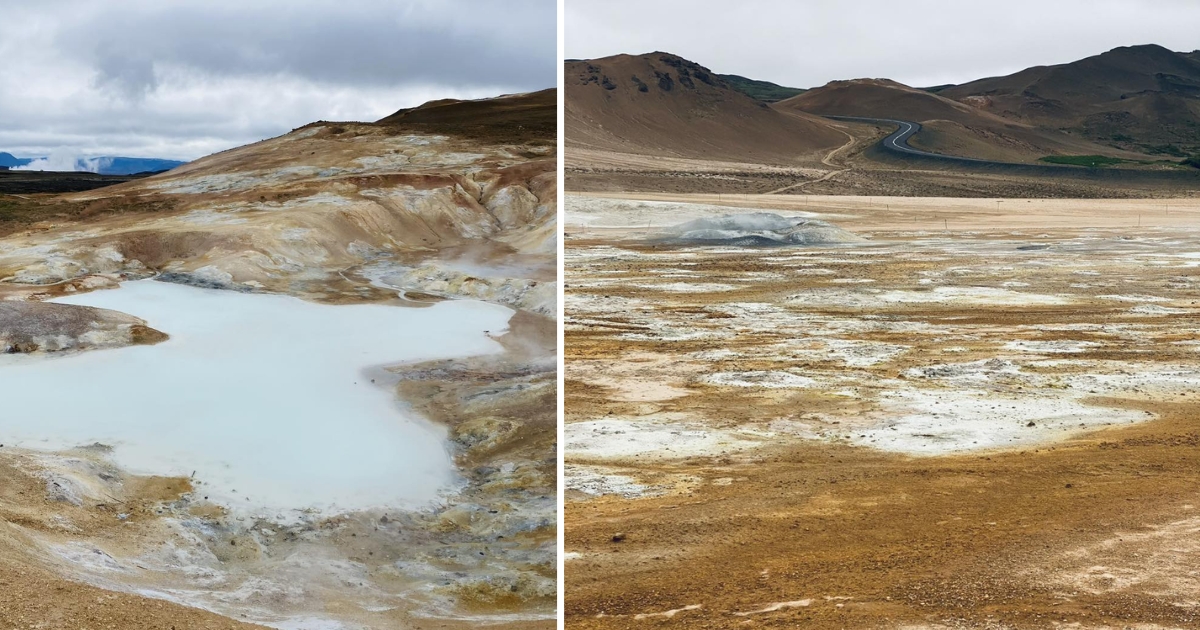
Hverir: The geothermal field near Námaskarð is particularly atmospheric in cooler weather. As temperatures drop, steam from the fumaroles rises more dramatically, and the sulphur colours look vivid against grey skies. It also sits close to several hot springs worth visiting while you are in the area.
-
Goðafoss: Located 34 km (21 miles) from Mývatn along the Ring Road, this waterfall runs 12 m (39 ft) high and 30 m (98 ft) wide. In autumn, birch trees along the riverbank frame the scene in gold and rust.
-
Skútustaðir Pseudocraters: The protected wetlands around Skútustaðir are popular year-round, though autumn brings its own draw. Some migratory bird species are still present in September, making it a quieter but rewarding spot for birdwatching.
For guided options, Mývatn Tours and Geo Travel offer local tours suited to autumn conditions. Both are good options if you want to see more of the region in less time.
What to Pack for Autumn in Iceland
What you pack for autumn in Iceland matters more than you might expect. Here are some practical items to pack:
-
Waterproof outer layer: a jacket and trousers that can handle whatever the weather throws at you
-
Wool or thermal base layers: for warmth when temperatures drop below 41°F (5°C)
-
A wool sweater: for mid-layer insulation, especially in the evenings
-
Sturdy waterproof boots: lava fields and wet trails require solid footwear
-
Hat, gloves, and a warm scarf: essential for October and late September
-
Sunglasses: low autumn sun can be surprisingly bright, especially near water
-
Headlamp or torch: useful for walking in early darkness
Beyond Mývatn: Iceland Airwaves and the Autumn Calendar
Beyond Mývatn, autumn in Iceland includes cultural events worth planning around. Iceland Airwaves, an annual music festival in Reykjavík, runs from 5–7 November 2026, with extra events on 4 and 8 November at venues including Harpa Concert Hall. The drive from Mývatn to Reykjavík takes around six to seven hours along the Ring Road, making it a natural end to an autumn road trip. Check the Mývatn event calendar for local events across the season.
Plan Your Autumn in Iceland Trip from Mývatn
Autumn in Iceland is short, the colours are brief, and the weather shifts quickly. Coming prepared makes the difference between a full day out and an early retreat indoors. But the quieter roads, the returning northern lights, and the particular quality of autumn light make it a time of year that many travellers return to, sometimes more than once.
Mývatn sits at the centre of this experience. The wonders of Mývatn look different in autumn than in any other season. Few places in Iceland combine volcanic landscape, geothermal activity, and dark skies within a few kilometres of each other.
A travel guide to Lake Mývatn in North Iceland is useful if you are preparing for a trip to Iceland starting from Mývatn. Accommodation options around the lake include Hótel Laxá, Sel Hótel Mývatn, Vogafjós, and Skútustaðir Guesthouse, all within easy reach of the area's main attractions.
FAQs
What is the average temperature during autumn in Iceland?
In September, temperatures typically range from 41°F to 50°F (5°C to 10°C). October brings cooler conditions, averaging around 35.6°F to 42.8°F (2°C to 6°C), particularly in northern areas like Mývatn.
When do the autumn colours peak in Iceland?
Autumn colours in Iceland typically peak in mid- to late September, when birch trees and low-growing shrubs shift from green to gold, red, and rust. The colours can disappear quickly after the first strong autumn storm.
Do I need a 4WD vehicle to visit Mývatn in autumn?
A standard two-wheel-drive car is sufficient for the main Ring Road and Mývatn-area roads in September and October. A 4WD vehicle is recommended if you plan to drive any unsealed or highland roads later in October.
Is it safe to drive in Iceland in autumn?
Roads around Mývatn and along the Ring Road are generally safe in September and October, provided you check daily weather and road condition updates. The Icelandic Met Office and road.is both publish real-time alerts for wind, ice, and closures.
Are there sheep round-ups in Iceland during autumn?
Yes. The traditional sheep round-up, known as Réttir, takes place in September, when farmers bring their flocks down from highland pastures. In some areas near Mývatn, you may see herds moving along roads during this period.
What is Iceland Airwaves and when does it take place in 2026?
Iceland Airwaves is an annual music festival in Reykjavík. In 2026, the official programme runs from 5 to 7 November, with special events on 4 and 8 November at various venues including Harpa Concert Hall.